The Essential Guide to Vehicle Maintenance
Posted Tuesday, Dec 02, 2025
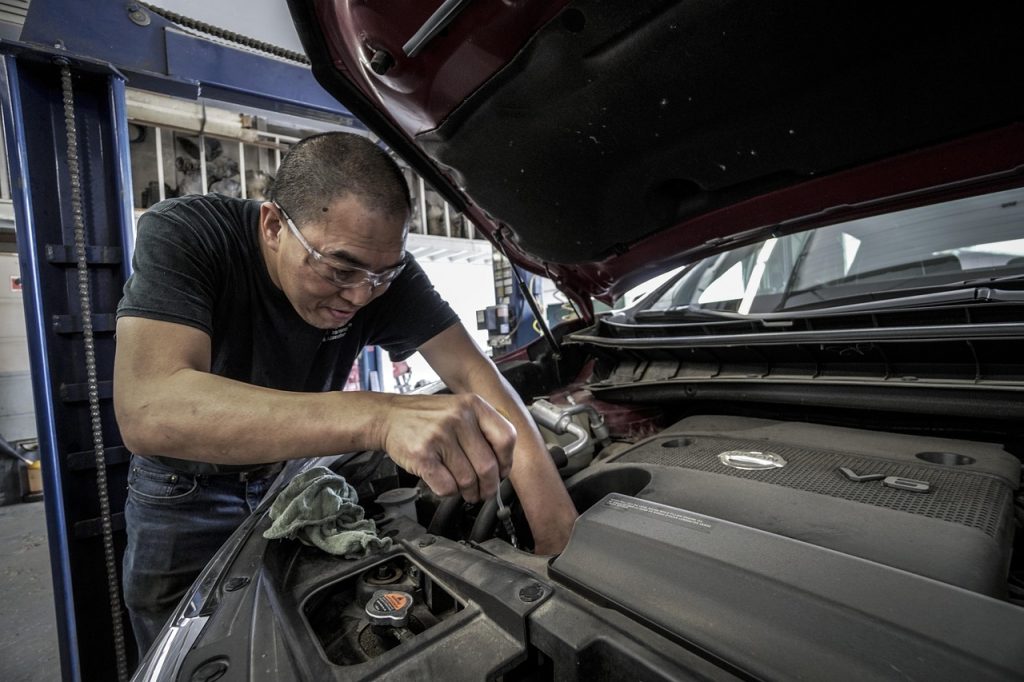
Why Oil Changes Matter Most—and How to Use Them to Simplify Your Entire Maintenance Schedule
Keeping your vehicle in top condition doesn’t have to be complicated. In fact, the smartest approach is to build your entire maintenance routine around a single, consistent anchor point: your oil change.
Oil changes are the most frequent—and most important—maintenance service your vehicle will need. By having them done at a respected, trustworthy mechanic shop, you gain two major advantages:
-
Expert eyes on your vehicle at regular intervals
-
A simple system to schedule every other maintenance item around your oil change cycle
Here’s how to protect your investment, extend your car’s lifespan, and keep repairs predictable by using oil-change intervals as your core maintenance rhythm.
1. Why Oil Changes Are the Foundation of Vehicle Health
Why They Matter
Oil lubricates, cools, and protects your engine. When it breaks down—as all oil eventually does—friction increases, heat rises, and internal wear accelerates. Consistent oil changes are the cheapest and most effective way to keep your engine healthy for the long term.
Why You Should Use a Respected Mechanic Shop
A professional shop doesn’t just replace the oil—they perform a multi-point inspection, track upcoming maintenance, and catch small issues before they become expensive repairs. They also help you tie future services to mileage milestones so nothing gets forgotten.
Recommended Oil Change Interval
-
Full synthetic: every 5,000–7,500 miles
-
Synthetic blend: every 3,000–5,000 miles
-
Heavy use (towing, dusty areas, short trips): use the shorter end of the range
Once you lock in this routine, everything else can be scheduled around it.
2. Tire Maintenance: Rotate Every 1–2 Oil Changes
Why It Matters
Tires are your only contact with the road. Proper rotations extend tire life, improve traction, and maintain even wear.
Simple Rule
-
Rotate tires every 2 oil changes
(or every 6,000–8,000 miles)
Pro Tip
Have your mechanic shop check air pressure and tread depth at each oil change—it takes 30 seconds and improves fuel economy and safety.
3. Brake System: Inspect Every 2 Oil Changes
Why It Matters
Your brakes slowly wear down, but early signs of wear aren’t always obvious. A mechanic will catch issues long before they affect stopping distance or damage your rotors.
Simple Rule
-
Brake inspection every 2 oil changes
-
Brake fluid flush every 2–3 years
When to Replace Pads
Usually every 30,000–60,000 miles, depending on driving style and vehicle weight.
4. Filters: Replace on a Predictable Oil-Change Rhythm
Engine Air Filter
-
Replace every 3 oil changes (15,000–25,000 miles)
Cabin Air Filter
-
Replace every 2–3 oil changes
Fuel Filter
-
Depends on the vehicle—ask your mechanic during an oil change and let them track it.
A respected shop will check these at each visit and recommend replacement before they restrict airflow or reduce performance.
5. Fluids: Check at Every Oil Change, Replace on Schedule
Professional mechanics will inspect your fluids during oil changes and help you plan ahead for:
Transmission Fluid
-
Replace every 50,000–100,000 miles
Coolant
-
Replace every 30,000–60,000 miles or every 2–5 years
Differential & Transfer Case Fluids
-
Replace every 30,000–60,000 miles (especially for 4×4 vehicles)
Power Steering Fluid
-
Replace around 50,000 miles
Your shop can record exactly what’s due and when, making future visits predictable and stress-free.
6. Belts & Hoses: Check Every 2 Oil Changes
Serpentine Belt
-
Replace every 60,000–100,000 miles
Timing Belt
-
Replace every 60,000–100,000 miles
(If your vehicle uses a timing chain, inspections are still important.)
Radiator and Heater Hoses
-
Replace every 6–8 years, but inspect at each service.
Mechanics spot cracks, glazing, leaks, and swelling long before failure.
7. Battery: Quick Test at Each Oil Change
Heat, cold, and short trips all shorten battery life.
Rule
-
Test every oil change
-
Replace every 3–5 years
Your mechanic can load-test the battery and check the charging system easily while the oil drains.
8. Warning Lights: Don’t Ignore Them Between Oil Changes
If any dashboard lights appear—Check Engine, ABS, TPMS—drop by your trusted shop. They can diagnose the issue quickly and often prevent bigger problems.
The Big Takeaway: A Respected Mechanic Shop Makes Maintenance Simple
When you choose a trustworthy mechanic for routine oil changes, you gain:
-
Consistent inspections
-
Predictable maintenance scheduling
-
Early detection of problems
-
Longer vehicle life
-
Better resale value
-
Peace of mind
Everything ties back to that one recurring service. Let your mechanic anchor the rest of your vehicle’s health around it.
Final Thoughts
Vehicle maintenance doesn’t have to be overwhelming. By building your routine around regular oil changes at a respected shop, you create a reliable, repeatable system that keeps your car running strong for years to come.